Essential Office Stationery Every Australian Business Needs
May 25, 2026
Concrete Patio Ideas for Melbourne Backyards in 2026
June 1, 2026
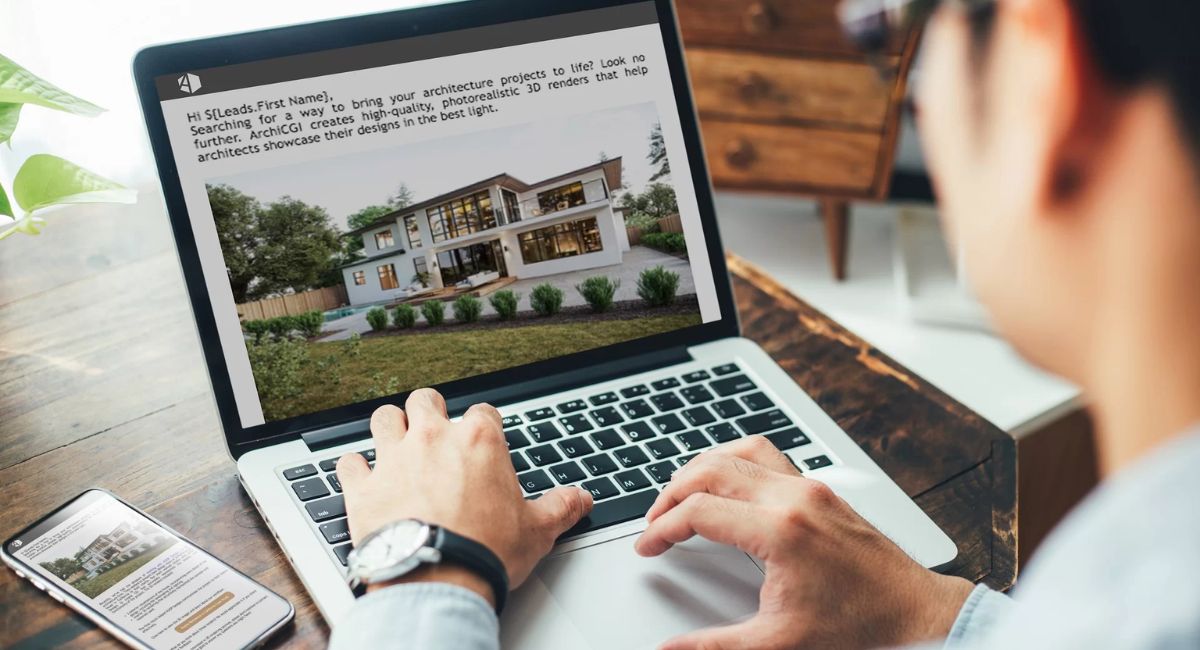
Most architecture firms win work the same way they did twenty years ago — referrals, repeat clients, and word of mouth. That works, until it doesn’t. Projects end, contacts change jobs, and the pipeline that looked healthy in spring is empty by autumn. Architecture email marketing is how smart firms smooth out that feast-or-famine cycle: it keeps your studio in front of past clients, developers, and prospects between projects, at almost no cost.
Here’s everything you need to know about email marketing for architects — why it fits this industry so well, what to send, and how to build a strategy that actually wins commissions.
Why Email Marketing Works for Architecture Firms
The architecture industry is big, and getting bigger. The global architectural services market was valued at roughly $370 billion in 2025 and is expected to grow to over $505 billion by 2031, at a CAGR of 5.3% (Mordor Intelligence). With more than 110,000 firms competing worldwide (BusinessDojo), standing out on portfolio quality alone is no longer enough — clients hire the firm they remember.
That’s exactly what email does. Email marketing returns an average of $36–$42 for every $1 spent (EmailTooltester), making it one of the highest-ROI channels in any industry. And it suits architecture’s long sales cycle perfectly: a commercial or residential project can take months — sometimes years — to move from idea to commission. A monthly architecture newsletter keeps your firm top of mind for that entire window, so when the client is finally ready to build, yours is the name they already trust.
There’s also a benchmark advantage. B2B-heavy professional services see strong email engagement, with median B2B open rates climbing to around 37–42% in 2025 (Verified Email) and professional services achieving click-through rates of 3.5% or more (Sona). Architects have a built-in edge here: your work is visual, and visual emails get clicked.
Who Should Be on an Architecture Firm’s Email List?
An effective email marketing strategy for architecture firms starts with the right audience. Your list should include past clients (your best source of referrals and repeat work), active prospects who requested a proposal or consultation, developers and contractors you’ve collaborated with, real estate agents and interior designers who refer projects, and press or industry contacts who can amplify your work.
Grow the list organically: add a newsletter signup to your website and project pages, offer a downloadable lead magnet (a renovation cost guide or a “questions to ask your architect” checklist), and collect emails — with permission — at events, site visits, and consultations. Never buy lists. Cold, unconsented contacts hurt deliverability and your reputation, and in a relationship-driven business like architecture, reputation is everything.
What Should Architects Send? Email Content Ideas That Work
The biggest reason architecture firms abandon email marketing is that they run out of things to say. They shouldn’t — studios generate more content in a normal month than most businesses do in a year.
Project showcases. Before-and-after transformations, construction progress updates, and completed project reveals. This is the architecture email content people forward to friends.
Behind-the-scenes process. Sketches, models, material palettes, site visits. Clients hire architects partly for the craft — show it.
Educational content. Planning permission explained, budgeting for a custom home, sustainable design options, what a feasibility study covers. Educational emails build authority and answer the exact questions prospects type into search engines.
Firm news and wins. Awards, publications, new team members, speaking engagements. Social proof, delivered straight to the inbox.
Client stories. A short case study — the brief, the challenge, the solution — does more selling than any brochure.
A practical cadence: one newsletter per month, with automated sequences layered on top. That’s enough to stay remembered without becoming noise.
How to Build an Email Marketing Strategy for Your Architecture Firm
1. Segment by audience type. A homeowner planning an extension and a commercial developer need completely different messages. Separate residential prospects, commercial clients, and referral partners — even three segments will dramatically improve relevance.
2. Automate the key moments. Set up a welcome sequence for new subscribers introducing your firm and best projects, a follow-up sequence for consultation requests, and a re-engagement email for contacts who’ve gone quiet. Automated emails work while you’re on site.
3. Design for the portfolio. Use large, high-quality images, generous white space, and minimal text — your emails should feel like your buildings. One clear call to action per email: view the project, book a consultation, download the guide.
4. Write subject lines like a human. “Inside our latest hillside home” beats “Newsletter #14 — Firm Updates” every single time. Specific and visual wins.
5. Measure what matters. Opens are increasingly unreliable — Apple’s Mail Privacy Protection inflates open rates by preloading content for the large share of users on Apple Mail (Sopro). Track clicks, replies, and consultation bookings instead. One commission pays for a decade of email software.
Common Architecture Email Marketing Mistakes
The pattern of failure is predictable: sending only when the firm needs work (audiences smell desperation), writing in academic jargon instead of client language, cramming five projects into one email instead of featuring one well, ignoring mobile formatting when most emails are read on phones, and giving up after three sends because results “weren’t immediate.” Email compounds — the firms that win are the ones still sending in month twelve.
The Bottom Line
Architecture email marketing is the cheapest, most reliable way for a firm to convert its existing reputation into future commissions. The market is growing toward $505 billion (Mordor Intelligence), competition is crowded, and the channel returns up to $42 per dollar spent (Designmodo) — yet most firms still leave it untouched.
Start simple: build a permission-based list, send one beautiful project-led newsletter a month, automate your welcome and follow-up emails, and keep showing up. By the time your next prospect is ready to build, you won’t need to chase the commission — you’ll already be in the room.