Email Marketing for Adult Platform? All You Need To Know
June 12, 2026
Best Collagen Supplements for Men Over 45: Animal-Based vs. Vegan — What Actually Works
June 16, 2026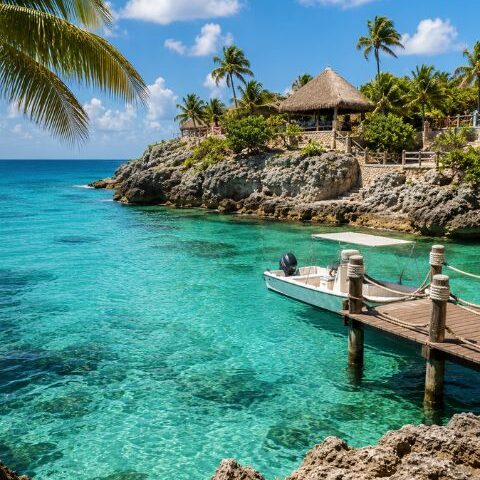
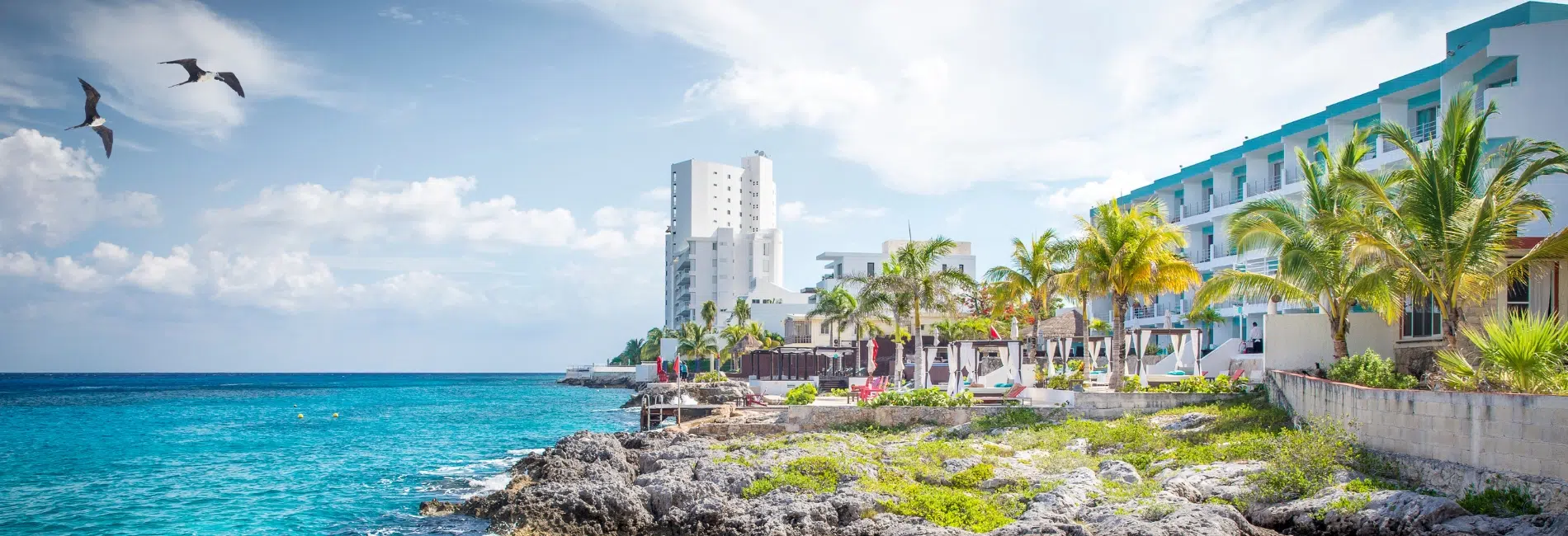
Wondering what to do in Cozumel beyond the cruise port? This laid-back Mexican island off the coast of Playa del Carmen is home to some of the best snorkeling and scuba diving in the Western Hemisphere, ancient Mayan ruins, white-sand beaches, and a charming downtown that most visitors never explore.
Whether you’re visiting Cozumel on a cruise stop with only six hours or staying a full week, this guide covers the 21 best things to do in Cozumel — including free activities, family-friendly options, and hidden gems the locals love.
1. Snorkel the Palancar and Colombia Reefs
Cozumel sits on the Mesoamerican Barrier Reef, the second-largest reef system in the world, and Palancar Reef is its crown jewel. Expect 100+ feet of visibility, towering coral formations, sea turtles, eagle rays, and clouds of tropical fish.
Most snorkel tours depart from the marinas south of San Miguel and combine three stops: Palancar, Colombia Reef, and El Cielo. Tours run $45–$80 USD per person and last 3–4 hours. Book a small-boat tour rather than a catamaran party boat if you want more time in the water.
Best for: First-time visitors, families, underwater photographers
2. Swim with Starfish at El Cielo
El Cielo — “the sky” in Spanish — is a shallow sandbar with crystal-clear, waist-deep turquoise water dotted with hundreds of cushion sea stars. It’s only reachable by boat, usually as the final stop on a Palancar snorkel tour. Remember: look but don’t touch. Removing starfish from the water can kill them, and local authorities enforce fines.
3. Go Scuba Diving (Even If You’ve Never Dived Before)
Jacques Cousteau put Cozumel on the map in the 1960s, and it remains one of the world’s top dive destinations. Drift diving is the specialty here — the current carries you effortlessly along walls of coral like Santa Rosa Wall and Punta Sur’s Devil’s Throat.
Never dived? Many operators offer Discover Scuba courses that get beginners underwater in a single morning. Certified divers should budget $90–$120 for a two-tank dive.
4. Explore Punta Sur Eco Beach Park
At the southern tip of the island, Punta Sur is Cozumel’s largest ecological reserve. Inside you’ll find:
- Celarain Lighthouse — climb it for panoramic views of the entire southern coast
- Crocodile lagoon — spot crocs from the observation tower at Laguna Colombia
- A pristine beach with calm water and an on-site beach bar
- El Caracol, a small Mayan ruin once used as a navigation aid
Entry is around $20 USD. Rent a Jeep or join a tour, since taxis can be hard to flag down inside the park.
5. Visit the San Gervasio Mayan Ruins
San Gervasio is the largest Mayan site on the island, hidden in the jungle interior. It was a sacred pilgrimage site dedicated to Ixchel, the Mayan goddess of fertility and the moon — Mayan women were expected to make the journey here at least once in their lives.
The ruins are smaller than Tulum or Chichen Itza, but the jungle setting, iguanas, and lack of crowds make it worth the trip. Entry is about $15 USD; go early before the heat builds.
6. Rent a Jeep and Circle the Island
One of the best things to do in Cozumel is simply renting a Jeep or scooter and driving the coastal loop. The route takes you down the protected west coast, around Punta Sur, and up the wild east side — about 2–3 hours without stops, or a full day if you do it right. Rentals start around $50–$80 per day. Note: there are no gas stations on the east side, so fill up in town.
7. Beach-Hop the Wild East Side
Cozumel’s east coast faces the open Caribbean — rugged, undeveloped, and gorgeous. Swimming is dangerous at most beaches due to currents, but the beach bars are legendary:
- Coconuts Bar & Grill — clifftop views and cold margaritas
- Punta Morena — surfable waves and a chill restaurant
- El Mirador — a natural rock arch perfect for photos
- Chen Río — one of the few east-side beaches with a protected swimming cove
8. Spend the Day at Chankanaab National Park
Chankanaab Adventure Beach Park combines easy shore snorkeling, a sea lion show, a tequila tasting experience, a botanical garden, replica Mayan ruins, and a swimmable lagoon. It’s one of the most family-friendly things to do in Cozumel and just 10 minutes from the cruise piers.
9. Relax at Paradise Beach or Playa Palancar
If your goal is a perfect beach day, head to the southwest coast:
- Paradise Beach — full resort-style beach club with pools, water park inflatables, and loungers (entry/minimum consumption applies)
- Playa Palancar — quieter, more rustic, with great shore snorkeling and a palapa restaurant
- Playa San Francisco — soft sand and calm, shallow water, ideal for kids
10. Wander Downtown San Miguel
Most cruise visitors never make it past the port shops — a mistake. San Miguel de Cozumel, the island’s only town, has a walkable malecón (waterfront promenade), the Benito Juárez plaza, street tacos, local art galleries, and far better prices than the cruise terminals. Sunday evenings the plaza fills with local families, food vendors, and live music.
11. Eat Real Mexican Food
Skip the chain restaurants near the pier and try:
- Cochinita pibil (slow-roasted Yucatecan pork) at a local taquería
- Fresh ceviche and tikin xic fish at a beach palapa
- El Moro — a no-frills local institution for Yucatecan classics
- Taquerias on Avenida 30 — where locals actually eat, with tacos under $2
12. Visit the Cozumel Pearl Farm
A boutique, small-group experience on a private beach on the island’s remote north shore. You’ll learn how Caribbean pearls are cultivated, snorkel the surrounding reef, and relax on an untouched stretch of sand. Tours are limited and sell out — book ahead.
13. Take the Ferry to Playa del Carmen
The passenger ferry crosses to Playa del Carmen in about 45 minutes ($12–$15 each way), opening up day trips to Tulum, cenotes, and Quinta Avenida shopping. If you’re staying on Cozumel for a week, it’s an easy way to add a mainland adventure.
14. Swim in a Cenote at Jade Caverns
Cozumel has its own cenote-style swimming hole: Jade Cavern, a jungle sinkhole with striking green water, usually visited on a jungle buggy or horseback tour. It’s a different side of the island most beach-goers never see.
15. Try Kiteboarding or Stand-Up Paddleboarding
The flat, shallow water off the island’s north shore is ideal for kiteboarding lessons, while the calm west coast is perfect for SUP at sunrise. Several outfitters in town rent boards and offer beginner lessons.
16. Visit the El Cedral Village and Ruins
El Cedral is the oldest Mayan site on Cozumel and the island’s first Spanish settlement. The tiny village around it hosts the Feria de El Cedral each spring — a festival with rodeos, music, and traditional dancing that dates back over 150 years.
17. Go Sport Fishing
The deep waters off Cozumel hold mahi-mahi, wahoo, barracuda, and sailfish, with marlin season peaking March through July. Half-day charters start around $350–$450 per boat.
18. Snorkel Right from Shore
No boat required: some of the best free things to do in Cozumel involve grabbing a mask and walking into the water. Top shore-snorkeling spots include Dzul-Ha / The Money Bar, Sky Reef, and Tikila Bar — all on the southwest coast with easy entry and healthy fish life.
19. Catch a Sunset on the Malecón
Cozumel’s west-facing coast means spectacular sunsets every night. Grab a seat at a waterfront bar in San Miguel, or head to the quieter stretches of the malecón south of town. It’s free, and it’s one of the best moments of any Cozumel day.
20. Visit the Island Museum (Museo de Cozumel)
Recently renovated, the small but excellent museum on the waterfront covers the island’s coral reef ecology, Mayan history, and pirate past. It’s a perfect rainy-day activity and costs just a few dollars.
21. Dive or Snorkel the C-53 Shipwreck
The Felipe Xicoténcatl (C-53) is a former minesweeper intentionally sunk in 1999 as an artificial reef. It sits upright in about 80 feet of water and is one of the most popular wreck dives in the Mexican Caribbean — divers can penetrate the engine room and interior corridors with a guide.
How Many Days Do You Need in Cozumel?
- Cruise stop (5–8 hours): One snorkel tour + beach club, or a Jeep loop of the island
- 2–3 days: Add Punta Sur, San Gervasio, and downtown San Miguel
- 5–7 days: Dive multiple reefs, take the ferry to the mainland, and explore the east side at a relaxed pace
Best Time to Visit Cozumel
The dry season from December through April offers the best weather and water visibility. May and June are hotter but less crowded with lower prices. Hurricane season runs June–November, with September and October the riskiest months. Divers note: visibility is world-class year-round.
FAQs About Things to Do in Cozumel
Q1. Is Cozumel safe for tourists?
Yes — Cozumel is considered one of the safest destinations in Mexico. Normal travel precautions apply, but violent crime affecting tourists is rare on the island.
Q2. Can you do Cozumel on a budget?
Absolutely. Shore snorkeling, downtown San Miguel, east-side beaches, and the museum are all free or under $10. Local taquerías serve meals for a few dollars.
Q3. Do you need a car in Cozumel?
Not necessarily. Taxis cover the main tourist areas, but renting a Jeep or scooter for at least one day is the best way to see the east side and Punta Sur.
Q4. Is Cozumel better than Cancun?
They’re different: Cozumel is smaller, quieter, and built around diving, snorkeling, and island life. Cancun offers nightlife, big resorts, and easier access to mainland ruins. For water lovers, Cozumel wins.
Final Thoughts
The best things to do in Cozumel mix world-class reefs with authentic island culture — snorkel Palancar in the morning, eat cochinita pibil tacos for lunch, drive the wild east coast in the afternoon, and watch the sunset from the malecón. Whether you have six hours or a full week, Cozumel rewards travelers who venture beyond the cruise pier.