The Role of Catering in Your Next Event in Melbourne

How to Choose the Right Caulking Service in Melbourne
August 5, 2026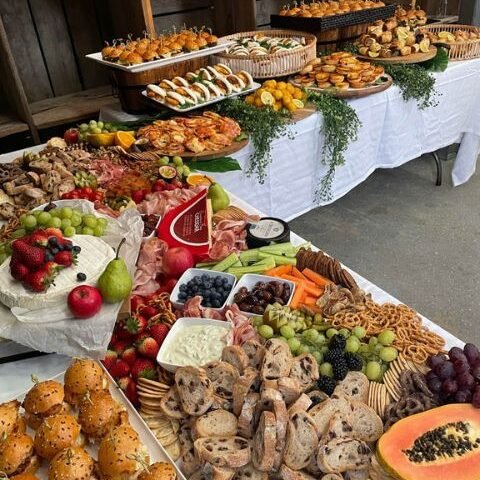
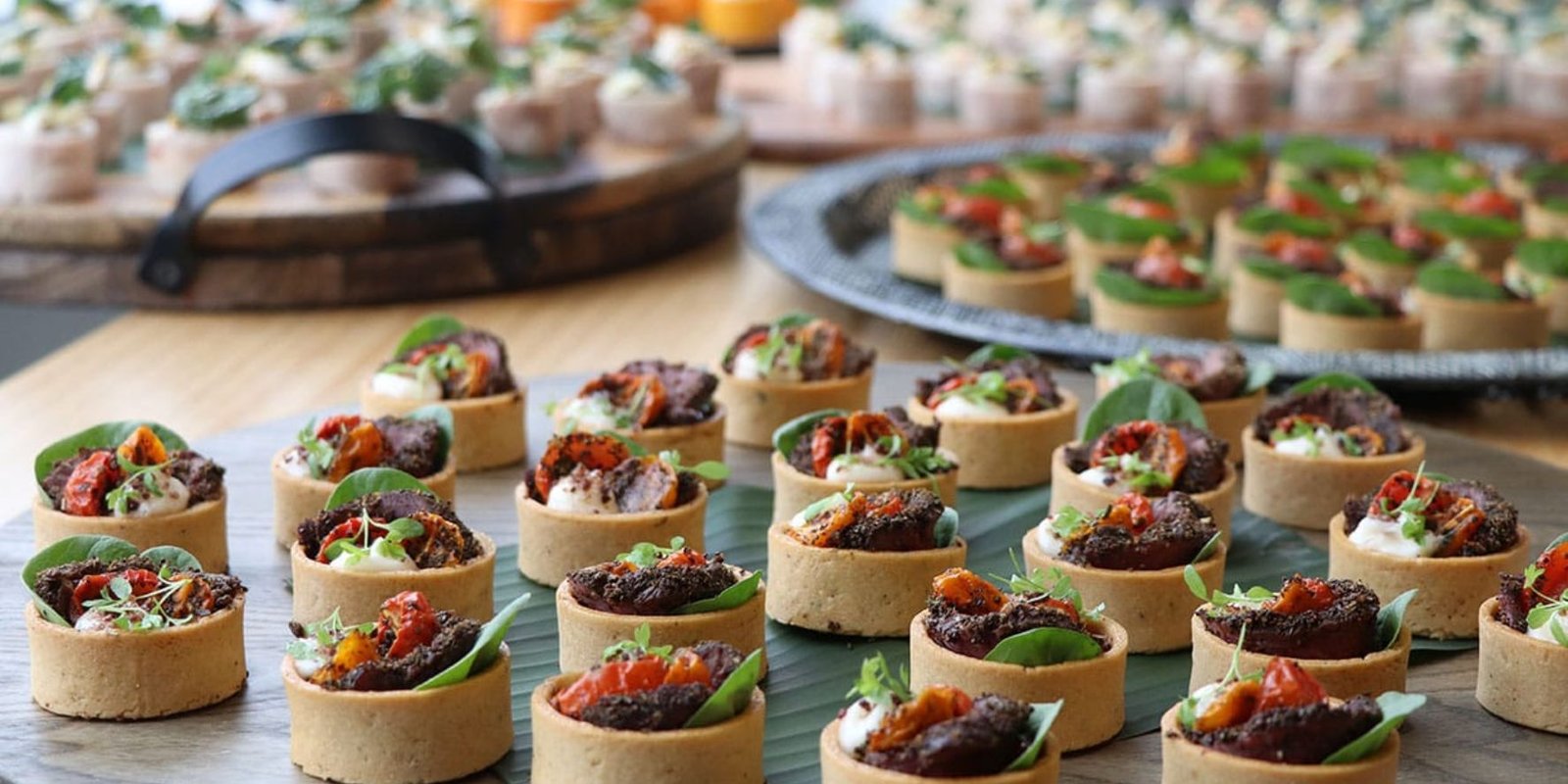
Food is often one of the first things guests remember after an event. Whether you are organising a corporate function, birthday celebration, wedding, networking event or community gathering, catering can influence the overall experience just as much as the venue, entertainment and décor.
This is particularly relevant in Melbourne, a city with a strong food and hospitality culture. In 2026, Melbourne was named the world’s best city by Time Out, with 94% of local residents rating its food scene highly. The city’s major events also generate billions of dollars in economic activity, creating a competitive environment where the quality of food and hospitality matters.
For event organisers, professional catering is therefore more than simply providing meals. It can help create the atmosphere, manage logistics, accommodate different dietary requirements and allow hosts to focus on their guests.
Catering Shapes the Overall Guest Experience
Food brings people together. At a corporate networking event, a well-planned catering menu can encourage guests to move around, interact and spend more time connecting. At a birthday or private celebration, food can become part of the entertainment and social experience.
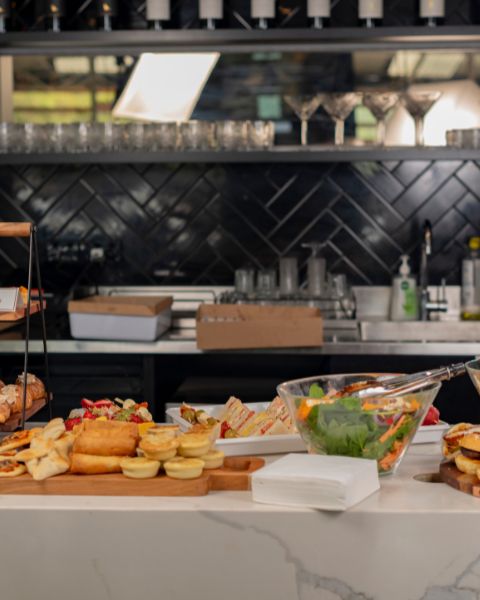
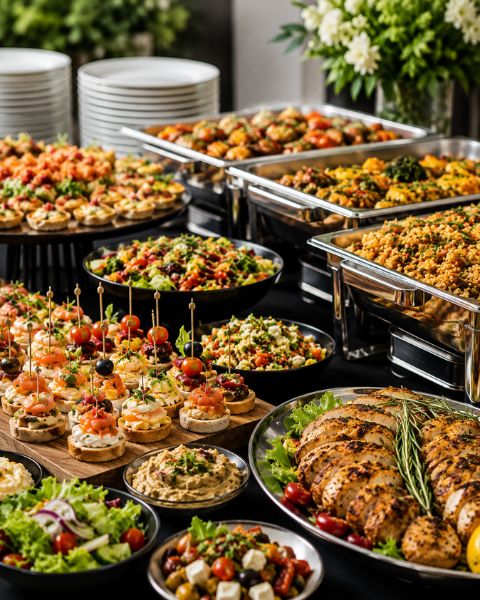
The choice of catering style also affects how an event feels. A formal sit-down meal creates a different atmosphere from a grazing table, cocktail-style canapés, buffet or casual finger-food service.
For Melbourne events, catering can also provide an opportunity to showcase local food culture. The city’s diverse culinary scene means organisers can choose from a wide range of cuisines, menu formats and ingredients to create an experience that suits their audience.
Professional Catering Reduces Event-Day Stress
Organising food for a large group involves considerably more than ordering enough meals.
Someone needs to calculate portions, coordinate delivery, arrange serving equipment, maintain food temperatures, manage dietary requirements, replenish food and clean the service area. Doing all of this yourself can quickly become another major responsibility on an already busy event schedule.
A professional catering company can manage these operational details before and during the event.
This becomes particularly valuable for corporate events where organisers need to concentrate on presentations, speakers, guests and networking rather than monitoring food service.
Victoria’s event guidelines recognise catering as a specific category of event expenditure alongside venue hire, staffing, marketing, equipment and cleaning. This reflects the fact that catering is an important operational component of event planning rather than an afterthought.
Catering Can Make Your Event More Inclusive
A successful event needs to consider what different guests can and cannot eat.
Dietary requirements may include vegetarian, vegan, gluten-free, dairy-free, halal and allergen-conscious options. Professional caterers can discuss these requirements during the planning stage and structure the menu accordingly.
This is especially important because food allergies can have serious consequences. Food Standards Australia New Zealand (FSANZ) identifies common allergens including peanuts, tree nuts, milk, egg, fish, crustacea, sesame, soybeans and gluten-containing cereals. Catering businesses should have processes in place to identify and communicate allergen information.
Rather than simply adding one vegetarian dish to a menu, event organisers should discuss dietary requirements with their Melbourne caterer well before the event. This allows the catering team to plan preparation, portioning and service appropriately.
Food Safety Is a Critical Part of Event Catering
Food quality is important, but food safety is essential.
For potentially hazardous foods, FSANZ recommends keeping food at 5°C or colder or 60°C or hotter. Foods such as meat, seafood, eggs, dairy products, cooked rice and pasta require appropriate temperature control during storage, transportation, display and service.
The 2-hour/4-hour rule is also important when potentially hazardous food is outside temperature control. Food kept between 5°C and 60°C for less than two hours can generally be refrigerated or used immediately. Between two and four hours, it should be used immediately and not returned to refrigeration. After four hours, it should be discarded.
This is one reason professional event catering can be valuable. Experienced caterers understand the practical requirements involved in transporting, displaying and serving food safely.
Catering Helps You Manage Portions and Costs
Food is often a significant part of an event budget, making portion planning important.
Ordering too little food can leave guests disappointed, while ordering substantially more than required can increase costs and waste.
A professional caterer can estimate quantities based on the number of guests, event duration, catering format and menu. For example, the requirements for a two-hour corporate morning tea will be different from those for a five-hour wedding reception.
Cost control has become particularly important as Australian households and businesses continue to experience cost pressures. Foodbank’s 2025 Hunger Report found that 51% of Australian households surveyed had cut back on eating or drinking at restaurants, cafés and bars because of cost-of-living pressures.
For event organisers, this makes value for money increasingly important. A well-planned menu can provide variety and sufficient portions without unnecessarily increasing the catering budget.
Catering Can Support Melbourne’s Event Economy
Melbourne’s event sector creates significant opportunities for local hospitality and catering businesses.
Melbourne Park alone attracted 2.7 million visitors across 455 events in 2025, excluding the Australian Open. More than 470,000 visitors travelled from interstate or overseas, generating 1.2 million hotel bed nights in Victoria. The precinct contributed $1.34 billion in Gross State Product and supported more than 13,500 jobs.
These figures demonstrate the scale of Melbourne’s event ecosystem and the role food and hospitality play within it.
For smaller events, the same principle applies. Choosing a local catering company can help organisers access Melbourne’s diverse food culture while supporting businesses within the local hospitality industry.
Choosing the Right Catering Company in Melbourne
Before booking a caterer, consider more than the menu.
Ask about:
- Menu flexibility and dietary requirements
- Experience with your type and size of event
- Food preparation and transportation
- Food safety procedures
- Staff and serving requirements
- Equipment, crockery and tableware
- Setup and pack-down services
- Minimum guest numbers
- Pricing and inclusions
- Cancellation and booking policies
It is also worth considering whether the catering style matches your event. Canapés may work well for networking, while buffet catering can suit larger informal gatherings. For a formal corporate function or wedding, plated meals may provide a more structured experience.
Make Catering Part of Your Event Strategy
Good catering should not be treated as simply another supplier to book at the last minute. It should be considered during the early stages of event planning.
From improving the guest experience to managing dietary requirements, food safety, staffing and costs, professional catering can influence almost every part of an event.
In a food-focused city like Melbourne, the right catering service can turn a standard gathering into a memorable experience. Whether you are planning a corporate function, private party, wedding or community event, investing in well-planned event catering in Melbourne can help your guests feel welcomed, your event run smoothly and your food service become part of what people remember.