How Many Ex NBA Players Are Jehovah Witnesses? [2026 Updated]

Digital Marketing in Frankston: Who Offers the Best Services in 2026?
March 10, 2026
Sex Toys Demand In Jaipur: Why It Is Increasing Rapidly
April 25, 2026
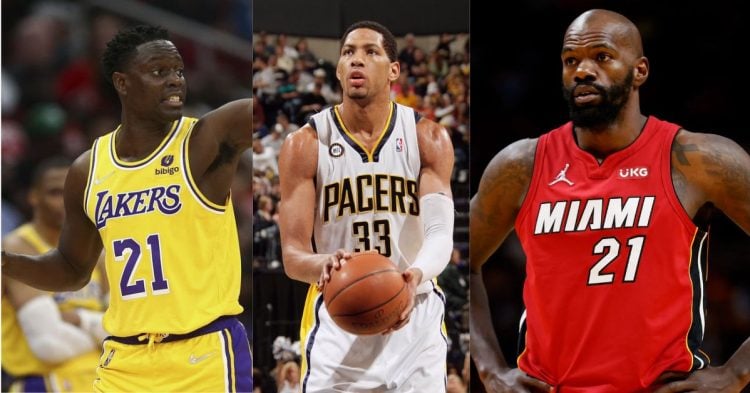
The National Basketball Association (NBA) is one of the most popular professional basketball leagues in the world, attracting athletes of extraordinary talent from diverse cultural and religious backgrounds. Among the many faiths represented in the league, Jehovah’s Witnesses stand out as a particularly notable group — not only because some well-known players belong to this denomination, but because their beliefs can directly intersect with the demands of professional sports stardom.
This article explores the presence of Jehovah’s Witnesses in the NBA — who they are, how their faith has shaped their careers, and what makes their stories so compelling. It also corrects a widely circulated factual error found across the web.
What Are Jehovah’s Witnesses?
Jehovah’s Witnesses is a Christian denomination that originated in the United States in the late 19th century, growing out of the Bible Student movement founded by Charles Taze Russell. The religion emphasizes a literal interpretation of scripture, door-to-door evangelism, and a morally strict lifestyle.
Key beliefs and practices include:
- Evangelism: Members are expected to participate in a worldwide ministry, including door-to-door outreach.
- Political neutrality: Witnesses typically abstain from voting, military service, and nationalistic ceremonies such as the Pledge of Allegiance.
- Lifestyle standards: The religion discourages premarital sex, drug use, gambling, and the pursuit of personal fame or wealth for its own sake.
- Holiday observance: Most holidays, including Christmas and birthdays, are not celebrated by practicing Witnesses.
For professional athletes in a league as high-profile as the NBA — where endorsement deals, celebrity culture, and public appearances are part of everyday life — adhering to these standards can present real and meaningful challenges.
Notable NBA Players Who Are (or Were) Jehovah’s Witnesses
1. Darren Collison — The Player Who Walked Away
Perhaps the most dramatic story of faith in NBA history involves Darren Collison, a point guard who played 10 NBA seasons for teams including the Indiana Pacers, Sacramento Kings, Dallas Mavericks, Los Angeles Clippers, and New Orleans Hornets.
In June 2019, at the age of 31 and coming off a season in which he averaged 11.2 points and 6.0 assists per game, Collison abruptly retired — forgoing an estimated $10–12 million per year in projected free-agent salary. In his own words:
“While I still love basketball, I know there is something more important, which is my family and my faith. I am one of Jehovah’s Witnesses and my faith means everything to me. I receive so much joy from volunteering to help others and participate in a worldwide ministry.” — Darren Collison, ESPN, June 2019
Collison briefly returned to the court in December 2021, signing a 10-day contract with the Los Angeles Lakers. He appeared in three games before the team let him go. His journey remains one of the most visible examples of a professional athlete publicly prioritizing religious conviction over financial reward.
Source: ESPN – Collison retires from NBA at 31 to focus on faith
2. Danny Granger — Raised in the Faith, Baptized After the Game
Small forward Danny Granger spent the bulk of his nine-year NBA career (2005–2015) with the Indiana Pacers, earning an NBA All-Star selection in 2009. Granger was raised in a Jehovah’s Witness household and has credited his upbringing with giving him moral grounding and mental composure under pressure.
Notably, Granger was not baptized into the faith until 2017 — two years after his final NBA season — representing a personal deepening of his commitment once the demands of professional basketball were behind him.
Source: EssentiallySports – NBA Players Who Are Jehovah’s Witnesses
3. Dewayne Dedmon — The Player Who Almost Never Played
Center Dewayne Dedmon‘s path to the NBA is arguably the most remarkable of any Jehovah’s Witness player. His mother, a devout member of the faith, refused to allow him to play organized basketball throughout most of his youth, believing it could interfere with his religious devotion.
Dedmon did not play high school basketball until his senior year — at age 18, when he reached the age of majority and exercised his right to make his own choices. By then, he had already grown to 6’8″ (2.03 m). Despite his late start, he went on to play for multiple NBA teams including the Miami Heat, Atlanta Hawks, Sacramento Kings, and Philadelphia 76ers.
Dedmon has spoken about how his faith helped him persevere: “I can honestly say that my faith has helped me overcome a lot of hardships in my life. It has helped me maintain my composure and my attitude in the midst of difficult circumstances.”
Source: NBA Buzz / EssentiallySports – Dewayne Dedmon story
4. Markelle Fultz — Faith as a Foundation
Point guard Markelle Fultz, selected as the first overall pick in the 2017 NBA Draft by the Philadelphia 76ers, was raised in the Jehovah’s Witness faith. Fultz, who later played for the Orlando Magic, has spoken openly about the role his religious upbringing has played in keeping him grounded through the significant challenges of his early NBA career — including a shoulder injury that threatened to derail his professional life.
His congregation’s support and the values instilled by his faith are frequently cited as sources of stability and mental resilience.
Source: Sportskeeda – NBA Players Who Are Jehovah’s Witnesses
5. Nate “Tiny” Archibald — Hall of Famer
Point guard Nate “Tiny” Archibald is one of the NBA’s all-time greats. Over a 14-year career, he played for teams including the Cincinnati Royals/Kansas City-Omaha Kings and the Boston Celtics. He achieved a feat no other player has matched: leading the NBA in both scoring AND assists in the same season (1972–73). He won an NBA Championship with the Celtics in 1981 and was inducted into the Naismith Memorial Basketball Hall of Fame in 1991.
Archibald has been cited in several sources as having converted to the Jehovah’s Witness faith in the 1980s, though he has generally kept the specifics of his religious life private.
Source: NBA.com – Legends Profile: Nate Archibald | Naismith Basketball Hall of Fame
Faith vs. Fame: The Tension Jehovah’s Witness Players Navigate
The Jehovah’s Witness faith places a high value on humility, ministry, and community — values that can sit in genuine tension with life as an NBA player. Professional basketball is a world of brand sponsorships, celebrity appearances, All-Star weekend parties, and an ever-present media spotlight.
Some of the specific tensions these players navigate include:
- Holiday-themed events: The NBA season runs through Christmas and New Year’s — both major calendar events for the league. Witnesses do not typically celebrate Christmas.
- National anthem ceremonies: Witnesses generally refrain from saluting flags or participating in nationalist rituals, which can attract public attention in a league that emphasizes patriotic ceremonies.
- Wealth and lifestyle: While financial success is not forbidden, the faith discourages the pursuit of material excess — something that contrasts with the lifestyle often associated with NBA stardom.
- Time commitment: Active Witnesses are expected to devote significant time to Bible study, congregational meetings, and field ministry — a challenging commitment alongside the training and travel demands of an 82-game season.
Despite these challenges, the players profiled in this article have demonstrated that maintaining sincere religious conviction and achieving professional excellence are not mutually exclusive.
Beyond the NBA: Jehovah’s Witnesses in Other Sports
The NBA is not alone. Jehovah’s Witness athletes have made their mark across professional sports:
- Prince Fielder (MLB): The former first baseman has spoken about how his faith sustained him through a career that included multiple All-Star selections and a World Series appearance with the Miami Marlins.
- Venus & Serena Williams (Tennis): Two of the greatest tennis players in history were raised as Jehovah’s Witnesses by their parents, and both have spoken about how their faith shaped their values and resilience. They are among the most prominent athletes in the world to publicly identify with the religion.
The Williams sisters, in particular, demonstrate that the Jehovah’s Witness faith and extraordinary athletic achievement can coexist at the highest level of global competition.
Conclusion
It is difficult to determine the exact number of active NBA players who are Jehovah’s Witnesses, as religious belief is deeply personal and not always publicly disclosed. However, the confirmed cases — Darren Collison, Danny Granger, Dewayne Dedmon, Markelle Fultz, and Nate “Tiny” Archibald — paint a vivid picture of athletes who have navigated the intersection of elite sport and sincere religious conviction.
The story of Darren Collison, who walked away from tens of millions of dollars to serve his faith, may be the most striking. But all of these players share something important: they have used their platform and their personal example to demonstrate that there is more than one definition of success.
As the NBA continues to grow as a global sport, the diverse religious and cultural identities of its players will remain a compelling part of the story of the game.
Frequently Asked Questions (FAQs)
|
Q1: Is Michael Jordan a Jehovah’s Witness? |
|
No. This is a widely repeated myth. Michael Jordan was raised in a traditional Christian household and has never been associated with the Jehovah’s Witnesses. The confusion likely stems from a mix-up with Michael Jackson (the singer), who was raised in the faith but formally left in 1987. |
|
Q2: Which NBA player is most famous for leaving the game to focus on his faith? |
|
Darren Collison is the most prominent example. In 2019, at age 31, he retired from a lucrative NBA career to devote himself to the Jehovah’s Witness ministry full-time, citing his faith and family as more important than basketball. |
|
Q3: Can Jehovah’s Witnesses play professional sports? |
|
Yes — there is no doctrine that prohibits Witnesses from playing professional sports. However, the time demands of ministry, congregational meetings, and the cultural aspects of professional sports (celebrity events, certain ceremonies) can create practical challenges for devout members. |
|
Q4: Do Jehovah’s Witnesses celebrate Christmas or NBA Christmas Day games? |
|
Jehovah’s Witnesses do not celebrate Christmas or most holidays. NBA players of this faith who are scheduled to play on Christmas Day are still under contract obligations, but the holiday itself holds no religious significance in their tradition. |
|
Q5: Are Venus and Serena Williams Jehovah’s Witnesses? |
|
Both Venus and Serena Williams were raised as Jehovah’s Witnesses and have spoken about the influence of the faith on their lives and values. They are among the most prominent athletes in the world associated with the religion. |
|
Q6: How many current NBA players are Jehovah’s Witnesses? |
|
As of 2025, there are no confirmed active NBA players publicly identified as practicing Jehovah’s Witnesses. Most of the best-known cases — Collison, Granger, Dedmon — are former players. Religious affiliation is personal, so there may be active players who practice privately. |
|
Q7: What is unique about Dewayne Dedmon’s story? |
|
Dewayne Dedmon’s mother, a devout Jehovah’s Witness, forbade him from playing organized basketball until he turned 18. He only played competitive basketball in his senior year of high school, yet went on to have a multi-year NBA career — one of the most unlikely paths to the league in recent history. |
|
Q8: Did Darren Collison return to the NBA after retiring for his faith? |
|
Yes — briefly. In December 2021, Collison signed a 10-day contract with the Los Angeles Lakers and appeared in three games before the team moved in a different direction. His retirement commitment to his faith was otherwise sustained. |